
Gaudi’s Curves
A Visionary and His Nature-Based Solutions in Parque Guell

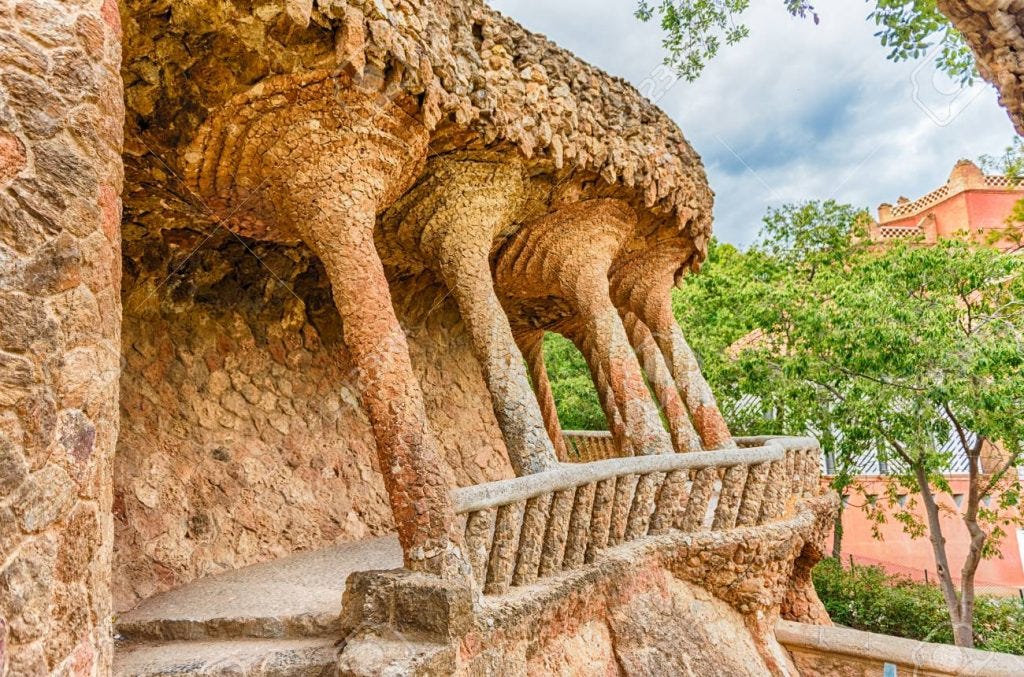
The visionary Barcelona architect of the early 20th century, Antonio Gaudí, studied the spirals and curves of nature and utilized them in all his projects. Gaudi, unlike other architects of his time, did not rely on rigid, rectilinear shapes. His work in Parque Güell, a municipal park on the outskirts of Barcelona, is an example of “architecture mimicking life.” When he designed the park between 1900 and 1914, he translated the laws of physics and biology into stone.
Gaudí believed there were no straight lines in nature
Here, he incorporated twisting paths, imaginative colonnades and naturally formed staircases into a steep hillside.
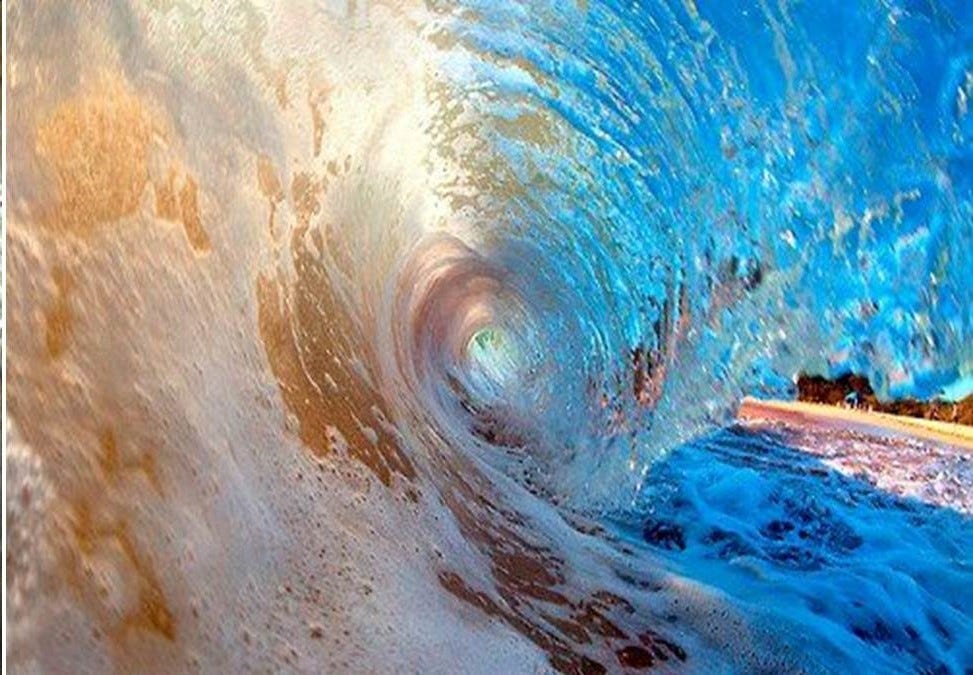
The Wave as Structural Logic - One of the finest examples of the organic architecture championed by Gaudí is the Washerwoman’s Portico at Parque Guell. The portico takes the form of a large wave supported by sloping columns. The columns are leaning to support the weight of the road above while hugging the steep hillside.
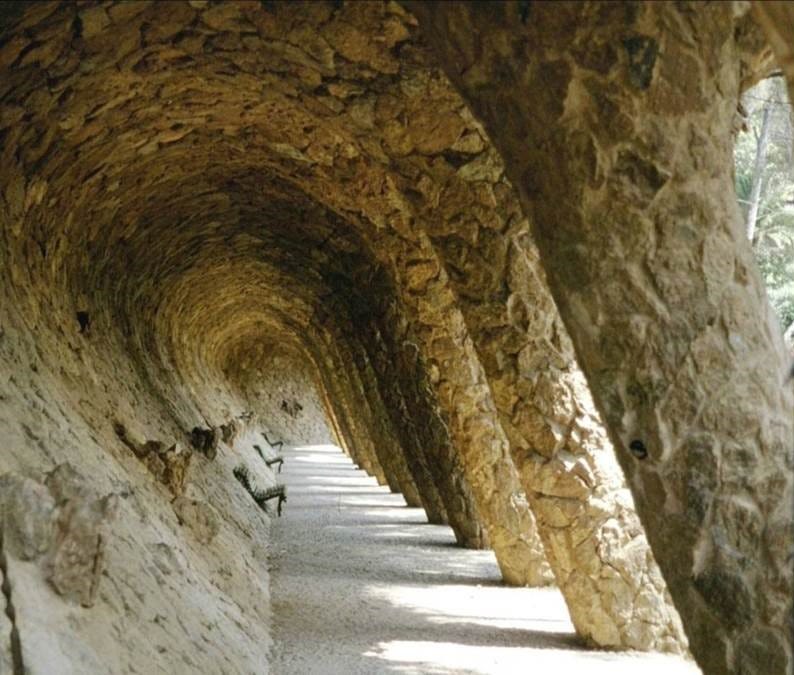
Many columns in the park use a double-twist design (helicoids), which Gaudí felt represented the growth patterns of trees and the movement of water.
